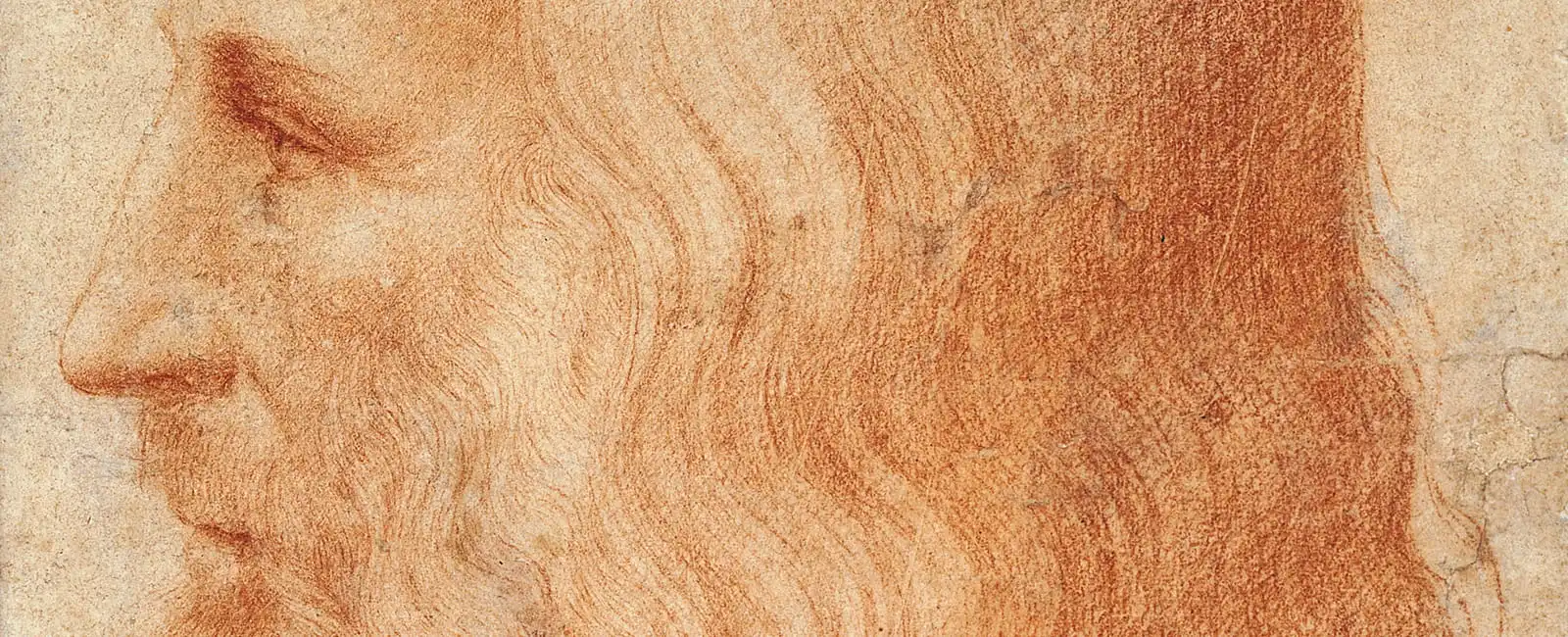
Château du Clos Lucé

The Clos Lucé through the Centuries

Travel through 800 years of history at the Château du Clos Lucé…

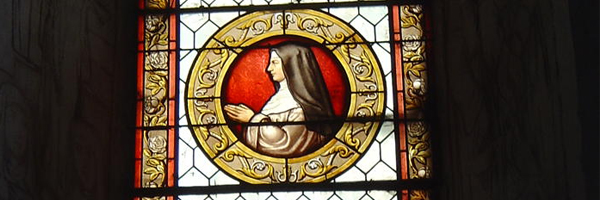
cisterciennes_de_monce
Middle Ages

The estate belonged to the d'Amboise family, who donated their lands to the Cistercian nuns of Moncé, an abbey founded in Limeray.
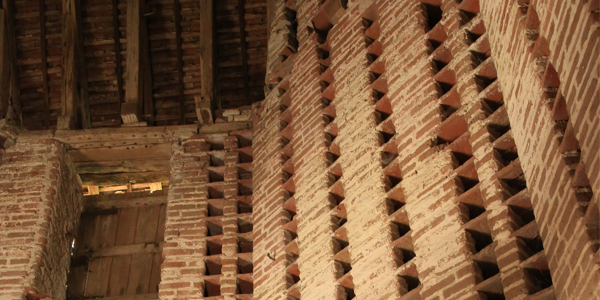
pigeonnier_clos_luce
1471

Louis XI gifted the estate to Étienne le Loup, a former kitchen boy who had been ennobled. He built the Château du Cloux from brick and tuffeau stone, as well as one of the finest dovecotes in France, which remains intact to this day.

charles_VIII_le_clos_luce
1490

The site was purchased by Charles VIII and became a summer house for the kings of France. The king transformed the medieval fortress into a country residence. He had an oratory built, a true gem of Gothic architecture, for his wife, Queen Anne of Brittany. Louise of Savoy, Regent of France, stayed at the Clos Lucé and raised her children there: the Count of Angoulême, the future Francis I, and Marguerite of Navarre, a writer and author of the Heptameron.
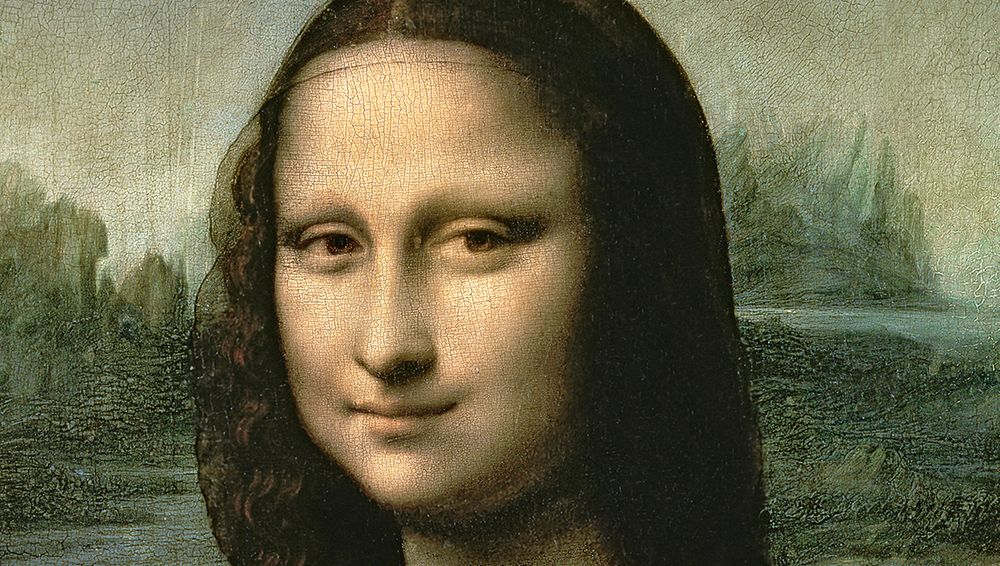
la-joconde-da-vinci
1516-1519

Francis I and Louise of Savoy invited Leonardo da Vinci to stay at the Clos Lucé. His patron Giuliano de' Medici had just died. Leonardo arrived in Amboise with three of his paintings, including the Mona Lisa. He was appointed "First Painter, Engineer and Architect to the King". Along with his birthplace in Vinci, the Clos Lucé is the only known home he ever had.

francois1er-leonard-de-vinci-le-clos-luce
1519

Leonardo da Vinci died in his bedchamber at the Clos Lucé on 2 May 1519.

chateau_du_clous
Late 17th century

The Château du Cloux was renamed the Château du Clos Lucé. It passed into the hands of the d'Amboise family, who saved it from destruction during the French Revolution.
famille-saint-bris
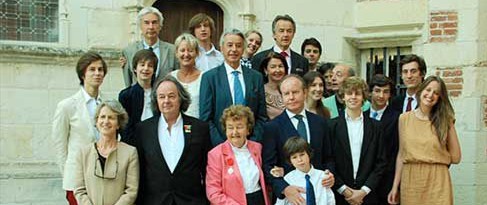
1854

The château became the property of the Saint Bris family. A century later, Hubert Saint Bris began restoring it with the help of the Compagnons des Monuments Historiques.

A Mission to Share

Restoring a historic residence and bringing it to life, this was the venture our parents decided to undertake, stone by stone, in 1954. We have been continuing this family project ever since.
We wanted to bring the house back to life and return it to how Leonardo da Vinci would have known it at the time of the Renaissance. You will experience the atmosphere of the daily
life of the artist who came to end his days in the sunlight and colours of Touraine, which reminded him of his native Tuscany.
Château du Clos Lucé is a place for passing on the universal heritage, memory and knowledge of Leonardo da Vinci. Its mission is to make the complete world of the artist better known to the widest possible audience.
Our ambition is to make this place of memory a place of life, this residence an evolving heritage, this historic site a castle for the future.
Thank you for coming to experience and share this adventure with us. By visiting the Château du Clos Lucé – Parc Leonardo da Vinci, you are participating directly in its restoration. By making it known, you are contributing to its reputation. Your presence spurs us on.
We hope that your journey in the footsteps of Leonardo will captivate you.
Please enjoy your visit.

François Saint Bris,
President

Highlights of your Visit to the Clos Lucé

Leonardo da Vinci's bedchamber
and its view of the Royal Château of Amboise
A fresco of the Annunciation
in the oratory, painted by pupils from Leonardo's workshop
The artist's workshop
recreating the atmosphere of a bottega, the quintessential multidisciplinary workshop of the 15th century
The life-size hologram
depicting Cardinal Louis of Aragon’s visit to Leonardo da Vinci on October 10, 1517, at the Clos Lucé. Thanks to the account of his secretary, Antonio de Beatis, we know that major works such as the Mona Lisa, Saint Anne, and Saint John the Baptist*—now housed at the Louvre—were located here.
An exceptional collection of 40 models
created in collaboration with IBM based on Leonardo's drawings, as well as 6 3D animations, revealing the artist's visionary genius
The entrance to the mysterious underground passage
said to have connected the Clos Lucé to the royal château - Legend has it that Francis I used it daily to visit Leonardo, whom he called "my father"

Discover also

Leonardo
da Vinci
portrait_de_leonard_de_vinci_le_clos_luce
The Leonardo da Vinci Park
le_parc_leonardo_da_vinci_clos_luce_amboise
The Leonardo da Vinci Painter and Architect Galleries
les_galeries_leonard_de_vinci_peintre_et_sculpteur_clos_luce (1)